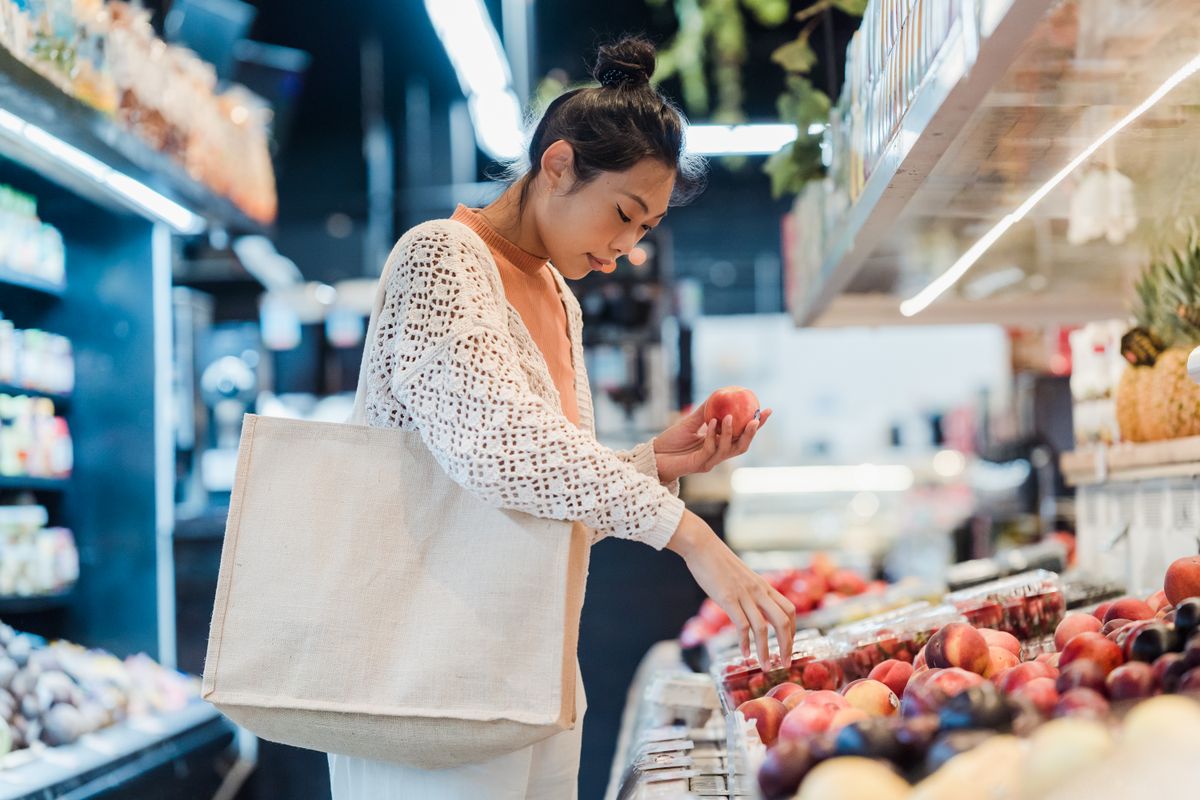
The reusable bag has evolved from a niche eco-conscious choice to a mainstream retail staple. In 2025, the global reusable bag market is being shaped by a convergence of consumer awareness, retailer sustainability commitments, and increasingly stringent government regulations on single-use plastics. For wholesale buyers and brands, understanding these trends is essential for staying ahead of demand and regulatory change.
Single-Use Plastic Bans Are Expanding
As of 2025, over 100 countries have implemented some form of restriction on single-use plastic bags, ranging from partial bans to outright prohibitions. Major markets including the European Union, Canada, Australia, and dozens of US states have enacted legislation that either bans plastic checkout bags or imposes fees that make them commercially impractical for retailers.
This regulatory wave has created a structural demand for alternatives. Retailers who previously relied on free plastic bags at checkout now need a replacement that is affordable, durable, and aligned with their sustainability messaging. Reusable jute, cotton, and canvas bags have emerged as the natural substitute.
Consumer Expectations Have Shifted
Beyond regulation, consumer behavior has changed. Shoppers increasingly expect retailers to offer sustainable options and view brands that still use single-use plastics as outdated. A 2024 global survey found that 73 percent of consumers are willing to pay more for products in sustainable packaging, and reusable bags are one of the most visible expressions of a brand's environmental commitment.
This shift means reusable bags are no longer just a compliance measure — they are a branding opportunity. A well-designed tote bag becomes a walking advertisement, carried repeatedly by customers in public spaces, reinforcing brand recognition with every use.
"The reusable bag is the most cost-effective billboard a brand can buy. A single tote bag might be seen by hundreds of people over its lifetime — and the customer paid for the privilege of carrying it." — Eco Trade Limited Marketing Team
Material Innovation and Diversity
The reusable bag market in 2025 is more diverse than ever. While jute and cotton remain the dominant natural fiber options, several material trends are gaining traction:
- Organic cotton and canvas: Growing demand for certified organic materials, particularly from premium and fashion brands.
- RPET (recycled PET): Bags made from recycled plastic bottles offer a second life for waste plastic while providing durability and water resistance.
- Jute blends: Combining jute with cotton or laminated linings improves aesthetics and functionality while maintaining sustainability credentials.
- Natural fiber hybrids: Blends of jute, juco (jute-cotton mix), and linen offer varied textures and price points.
Retailer Sustainability Programs
Major retailers are increasingly integrating reusable bags into their sustainability programs. Many now sell branded reusable bags at cost or as a profit center, replacing the free plastic bag model entirely. Some have introduced bag deposit schemes, where customers pay a small deposit for a durable bag that can be returned for a refund, creating a circular system.
For wholesale buyers, this means the volume opportunity is growing. A single supermarket chain may need hundreds of thousands of reusable bags per year to supply its checkout counters, and the order sizes will only increase as more regions implement plastic bans.
Customization as a Differentiator
As reusable bags become ubiquitous, brands are differentiating through design and customization. Full-color printing, unique shapes, premium hardware, and branded packaging elevate the reusable bag from a utility item to a fashion accessory. This trend favors manufacturers with strong design and sampling capabilities who can produce bespoke bags rather than generic stock items.
What This Means for Wholesale Buyers
If you are sourcing bags for retail, promotional, or corporate use, the reusable bag trend represents both an opportunity and a strategic decision. The opportunity is clear — demand is growing, margins are healthy, and the product doubles as marketing. The strategic decision is choosing the right material, design, and supplier to meet that demand sustainably and profitably.
At Eco Trade Limited, we have scaled our production to meet the growing demand for reusable jute, cotton, and canvas bags. Whether you need 5,000 branded totes for a retail launch or 500,000 units for a national supermarket chain, we can deliver quality, consistency, and the sustainability credentials your market demands.