Packaging is the first physical touchpoint a customer has with your product, and for bag brands, it plays a dual role — protecting the product during shipping and communicating brand value before the bag is even revealed. Thoughtful packaging design can elevate perceived quality, reduce damage claims, and reinforce your sustainability story. This guide covers the key decisions that make bag packaging work harder for your brand.
Start With the Unboxing Experience
The unboxing experience has become a significant part of product marketing, particularly for brands selling through e-commerce. When a customer opens a package, the first impression sets the tone for their entire relationship with the product. A bag that arrives in a generic plastic mailer communicates commodity; the same bag presented in a branded box with tissue paper and a thank-you note communicates premium.
You do not need to overspend to create a memorable unboxing. Small touches — a branded insert card, a ribbon tie, or a custom-printed inner sleeve — add perceived value far beyond their cost. The key is consistency: every element should reinforce the same brand identity.
Choose the Right Packaging Type
Different bag products call for different packaging approaches. Here are the most common options for bag brands:
- Polybag with header card: The most cost-effective option, ideal for promotional and volume retail bags. A clear polybag with a printed cardboard header card keeps costs low while still providing branding space.
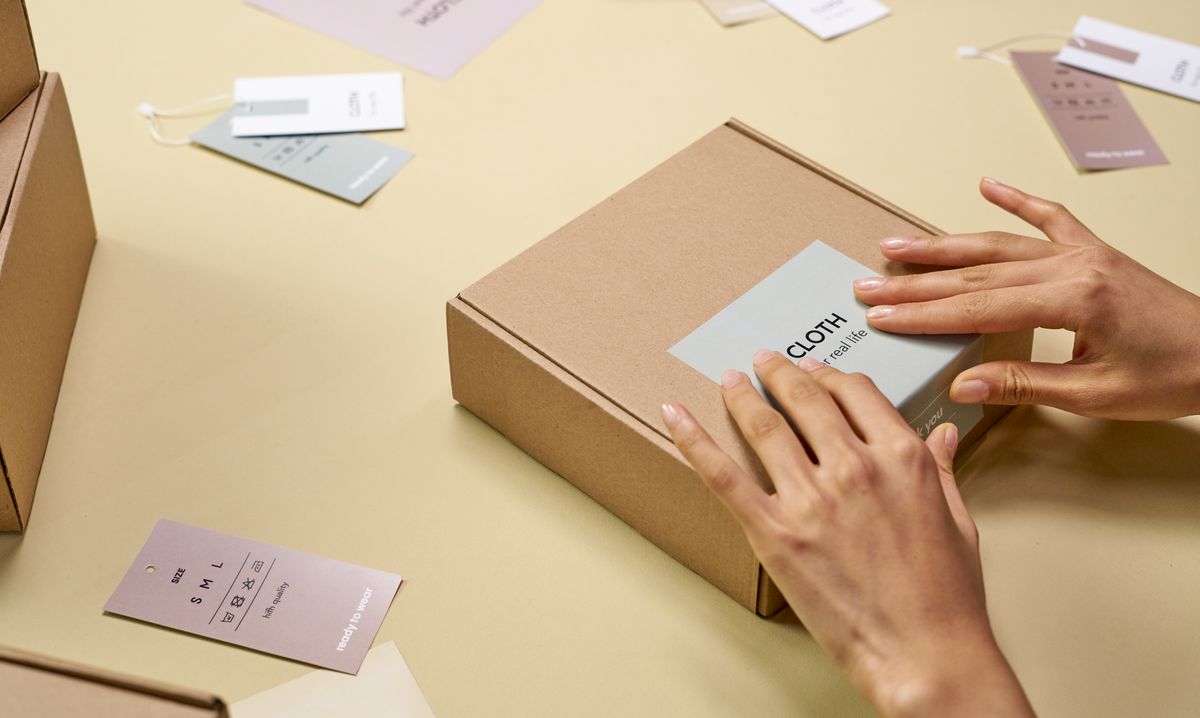
- Folded in branded kraft box: A step up for retail and premium brands. The box itself becomes a brand asset, and the structured format protects the bag from creasing and compression during shipping.
- Dust bag with box: The standard for leather and premium bags. A soft cotton or jute dust bag protects the product inside a rigid box, combining protection with a luxury feel.
- Hanging polybag or blister card: For retail-ready packaging where bags will be displayed on hooks or pegs. Requires consideration of retail display requirements.
Protect Against Transit Damage
Packaging must protect bags through international shipping — typically the roughest leg of the journey. Common damage issues include creasing, compression, moisture, and abrasion. Address each with targeted solutions:
- Creasing: Fold bags along natural seams and insert a sheet of acid-free tissue paper between folds to prevent permanent crease lines.
- Compression: Use rigid mailer boxes for premium products. For bulk shipments, pack individual units in cartons with dividers to prevent crushing.
- Moisture: Include silica gel packets in each unit and use moisture-resistant outer cartons for sea freight shipments.
- Abrasion: Separate bags with tissue paper or individual polybags to prevent hardware (zippers, buckles) from scratching adjacent units.
"Packaging is the silent salesperson of your brand. It speaks before the product does — make sure it says the right thing." — Eco Trade Limited Design Team
Sustainability as a Packaging Strategy
For eco-friendly bag brands, packaging should be consistent with the product's sustainability promise. A jute tote bag wrapped in excessive plastic packaging sends a contradictory message. Consider these sustainable packaging materials:
- Recycled kraft paper and cardboard: Widely recyclable and made from post-consumer waste.
- Biodegradable polybags: Made from plant-based materials that decompose faster than conventional plastic.
- Soy-based inks: An eco-friendly alternative to petroleum-based inks for printing on packaging.
- Minimal packaging design: Reducing material use is the most sustainable option of all. Design packaging to be as small as possible while still protecting the product.
Branded Elements That Matter
Beyond the structural packaging, branded elements create the emotional connection with your customer. Invest in these details:
- Custom-printed tissue paper: An inexpensive way to add brand presence inside the package.
- Thank-you card or insert: A personal note that tells your brand story and includes care instructions for the bag.
- Branded stickers or seals: Used to close the package or secure the tissue paper wrap.
- Care instruction tag: Attached to the bag itself, providing maintenance guidance and reinforcing brand professionalism.
Balancing Cost and Impact
Packaging costs can escalate quickly if you are not disciplined. Set a packaging budget as a percentage of your product cost — typically 5 to 15 percent for standard retail, and 15 to 25 percent for premium brands. Prioritize the elements that deliver the most perceived value per dollar spent. A branded box and tissue paper deliver more impact than an expensive custom-printed polybag that customers discard immediately.
At Eco Trade Limited, we offer full custom packaging services alongside bag manufacturing — from branded polybags and header cards to premium kraft boxes, dust bags, and insert cards. We can source sustainable materials, manage printing, and assemble packaging in-house, so your bags arrive shelf-ready or e-commerce-ready in a single, coordinated shipment.