Importing wholesale bags for the first time can feel overwhelming, but the process becomes straightforward once you understand each stage. This guide walks you through the entire journey — from finding the right manufacturer to receiving your shipment at your destination port.
Step 1: Define Your Requirements
Before contacting any manufacturer, clearly define what you need. This includes the product type (jute, leather, cotton, canvas), target quantity, size specifications, material preferences, color requirements, and any branding or customization details. The more specific you are, the more accurate your quotation will be.
Prepare a brief that includes reference images or sketches if you have them. Even a rough concept drawing helps a manufacturer understand your vision and provide a more relevant response.
Step 2: Request a Quotation
Send your requirements to the manufacturer and request a detailed quotation. A professional manufacturer will respond with pricing based on your quantity, customization level, and material choice, along with the minimum order quantity (MOQ), estimated production time, and shipping options.
At this stage, ask about sample availability, payment terms, and the manufacturer's quality control process. These answers will help you evaluate whether the partner is a good fit.
Step 3: Request and Approve a Sample
Never place a bulk order without first approving a pre-production sample. The sample confirms that the manufacturer can meet your quality, design, and specification requirements. Review the sample carefully — check the stitching, material quality, color accuracy, hardware, and overall construction.
"The sample is your contract. Production should match the approved sample exactly. If changes are needed, request a revised sample before approving bulk production."
Once you approve the sample, the manufacturer will proceed with bulk production based on that approved reference.
Step 4: Production and Quality Control
During production, a reliable manufacturer will conduct inline inspections at multiple stages — material verification, cutting, stitching, assembly, and final quality check. You can request pre-shipment inspection photos or a third-party inspection report for additional assurance.
Typical production times range from 15 to 35 days depending on the product type, customization complexity, and order volume. Agree on a timeline upfront and ask for progress updates at key milestones.
Step 5: Export Documentation
Your manufacturer should prepare and provide all necessary export documentation. The standard document set includes:
- Commercial Invoice: Details the transaction value, terms of sale, and product description.
- Packing List: Specifies carton contents, weights, and dimensions for customs and logistics.
- Bill of Lading (B/L) or Air Waybill (AWB): The transport document issued by the carrier.
- Certificate of Origin (CO): Confirms the country of manufacture, often required for customs clearance.
- Any applicable certificates: Such as phytosanitary certificates for natural fiber products.
Step 6: Shipping and Freight
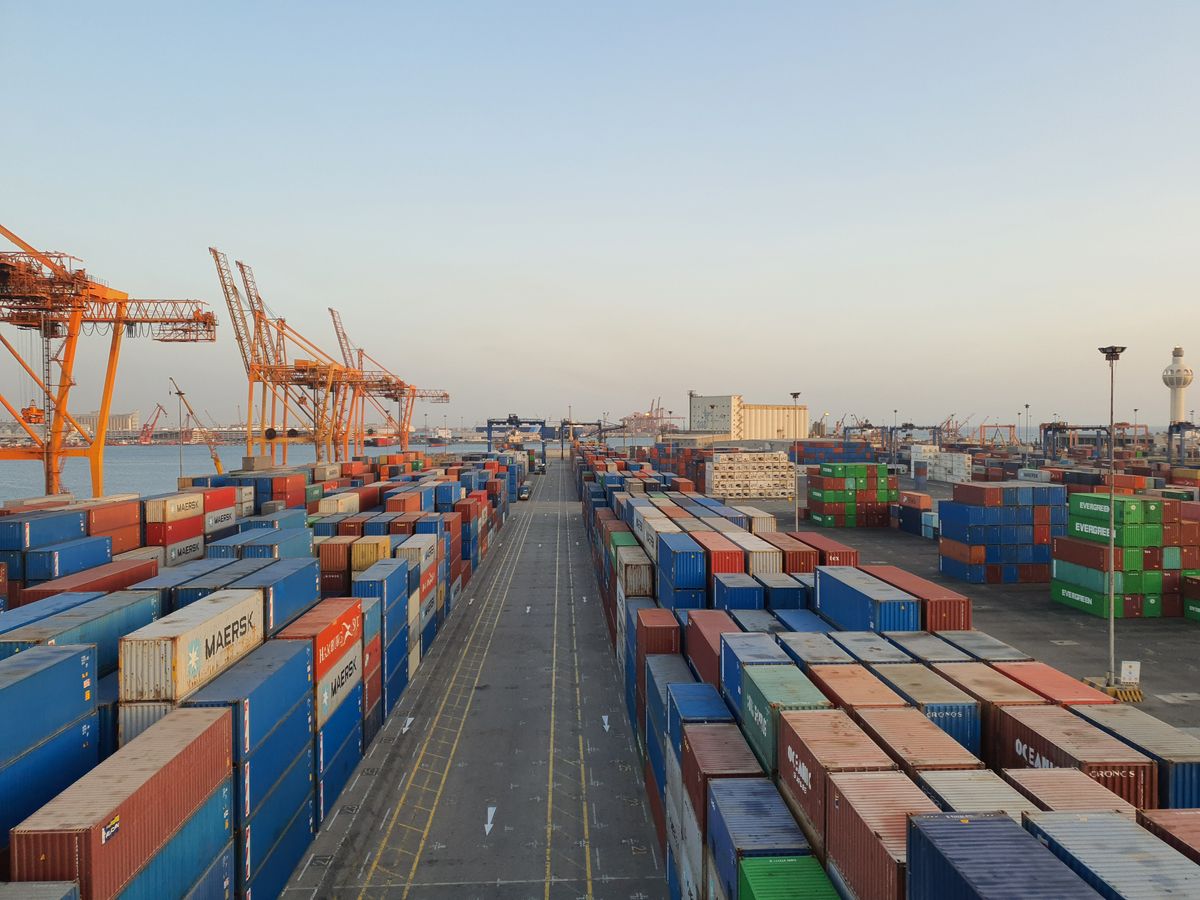
Choose the freight method that best fits your timeline and budget. Sea freight is the most cost-effective for large orders, with transit times of 20 to 40 days depending on the route. Air freight is faster (5 to 10 days) but significantly more expensive, making it suitable for urgent or smaller orders.
Decide whether you want the manufacturer to handle freight (CFR or CIF terms) or arrange your own forwarder (FOB terms). If you are new to importing, having the manufacturer manage freight can simplify the process considerably.
Step 7: Customs Clearance and Delivery
Once the shipment arrives at your destination port, it must clear customs before release. Your freight forwarder or customs broker will handle the clearance process using the documents provided by the manufacturer. Ensure you understand any import duties or taxes applicable in your country, as these are typically the buyer's responsibility.
After clearance, the goods are released for final delivery to your warehouse or specified location.
Tips for First-Time Importers
- Start with a manageable quantity: Your first order should validate the product and the partnership before scaling up.
- Communicate clearly and frequently: Misunderstandings are the most common cause of production issues.
- Build a relationship: A good manufacturer partnership improves over time, with better pricing and priority production for repeat clients.
- Understand the total landed cost: Factor in product cost, freight, insurance, duties, and taxes when budgeting.