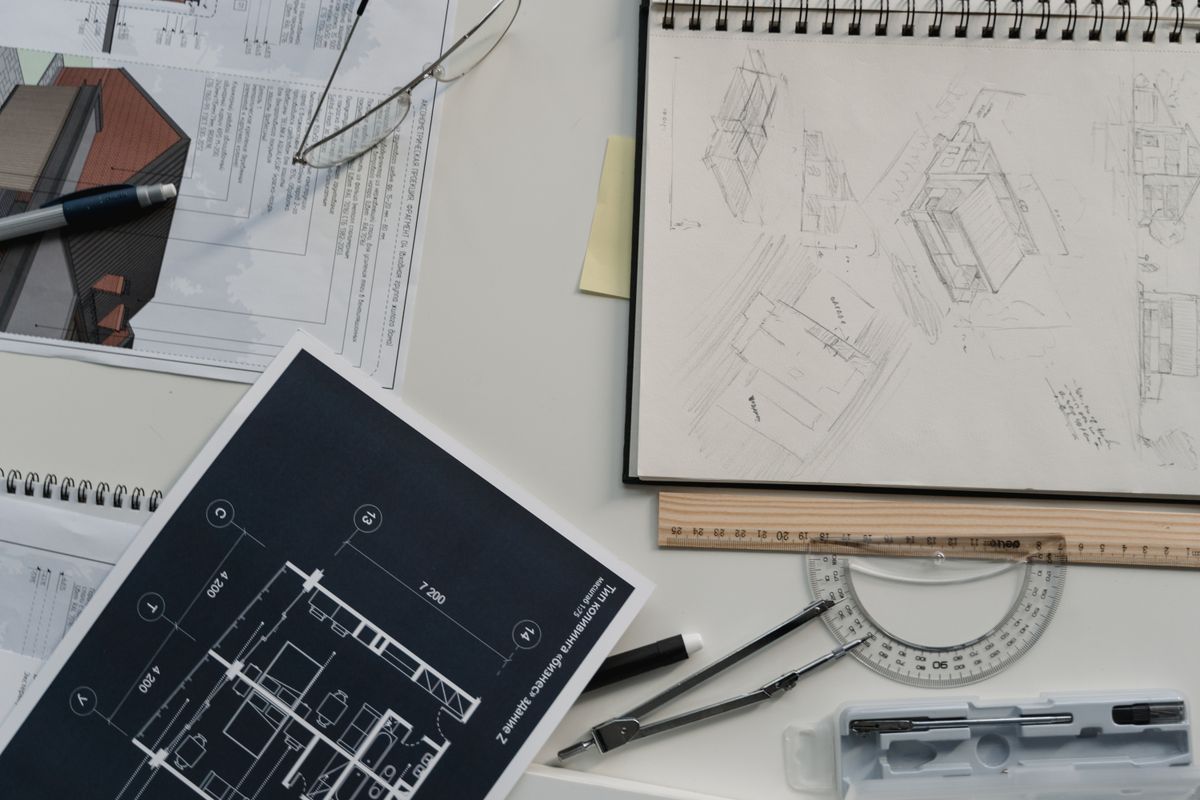
Every custom bag that leaves our factory begins as an idea — a sketch, a reference photo, or sometimes just a written description. In this article, we walk through the complete production journey of a custom bag order, from that first concept to the moment the finished goods are loaded into a shipping container.
Stage 1: Concept and Specification
It starts with a conversation. A client shares their vision — the bag type, intended use, target customer, and brand identity. We translate that into a technical specification that includes dimensions, material choice, color references, lining, hardware, and branding method. If the client has sketches or reference samples, we use those as the starting point. If not, our product development team creates concept drawings for review.
This stage is collaborative. We ask questions, suggest alternatives, and flag any design elements that may affect production feasibility or cost. The goal is a specification document that both sides agree on before any physical work begins.
Stage 2: Sample Development
With the specification approved, we move to sample development. Our pattern makers create the cutting patterns and construction plan, and a dedicated sample maker produces the first physical prototype. This typically takes 7 to 14 days depending on complexity.
The sample is then sent to the client for review. This is the critical approval moment — the client checks every detail against the specification and requests any adjustments. We revise and resend until the client is fully satisfied. Only when the client provides written sample approval do we proceed to bulk production.
"The approved sample becomes the production reference. Every bag in the bulk order is checked against this sample to ensure consistency."
Stage 3: Material Sourcing and Preparation
Once the sample is approved, we source the exact materials specified — the right grade of jute, leather, or cotton, in the correct color and quantity. Materials are inspected on arrival to verify quality and color matching before they enter the production line.
For branded orders, this is also when we prepare the branding components — printing screens, embroidery files, or embossing plates — based on the client's artwork.
Stage 4: Cutting and Stitching
The production line begins with cutting. Patterns are laid out on the material to minimize waste, and components are cut to exact dimensions. For leather goods, cutting is done by hand or with precision cutting machines depending on the material and volume.
Stitching follows, with each bag moving through a sequence of sewing stations. Experienced operators handle each construction step, and supervisors monitor the line to catch any issues early. The construction method — seam type, stitch density, reinforcement points — follows the approved sample exactly.
Stage 5: Assembly and Finishing
After stitching, the bags move to assembly, where hardware, linings, zippers, and branding elements are attached. This is where the bag takes its final form. Finishing touches — thread trimming, quality touch-ups, and final inspection — ensure each bag meets the approved standard.
Stage 6: Quality Inspection
Every bag goes through a final quality inspection before packing. Inspectors check stitching integrity, color consistency, hardware function, branding accuracy, and overall construction quality. Bags that do not meet the standard are set aside for correction or replacement.
For clients who request it, we provide pre-shipment inspection photos or accommodate third-party inspection visits. This transparency gives buyers confidence before the goods leave the factory.
Stage 7: Packaging
Approved bags are packed according to the client's specifications — individual polybags, retail-ready packaging, or bulk carton packing for wholesale. Cartons are labeled with product details, quantities, and carton dimensions for easy identification during customs clearance and warehousing.
Stage 8: Export and Shipping
The final stage is export. We prepare the complete documentation package, supervise container loading, and coordinate with the freight forwarder to ensure the shipment departs on schedule. Loading photos are provided to the client as proof of proper handling.
From that first sketch to the loaded container, a custom bag order typically takes 30 to 45 days from sample approval to shipment, depending on order volume and complexity. The result is a product that is entirely the client's own — built to their specification, branded for their market, and manufactured to a consistent quality standard.