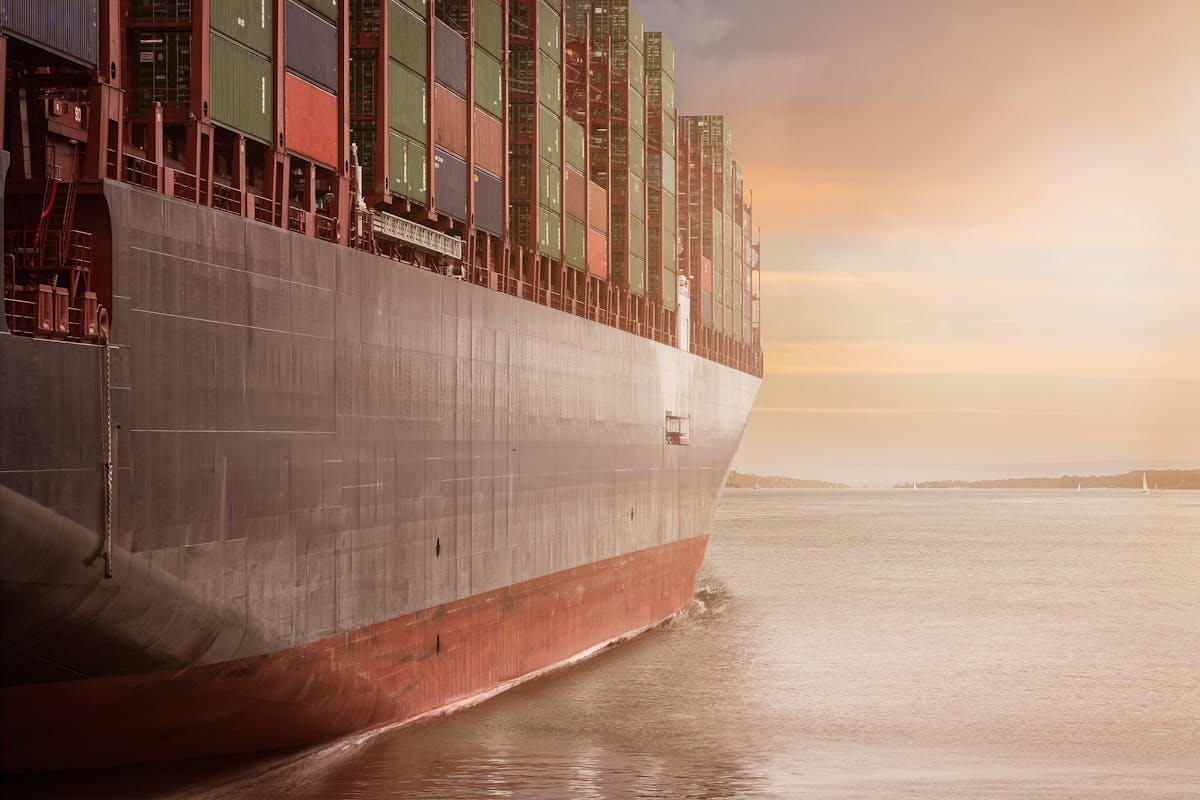
When importing wholesale bags from overseas, one of the most consequential decisions you will make is how to ship them. Sea freight and air freight each have distinct advantages, and the right choice depends on your budget, timeline, order volume, and tolerance for uncertainty. This guide breaks down the key differences so you can make an informed decision.
Cost Comparison
Cost is usually the first factor importers consider, and for good reason. Sea freight is significantly cheaper per unit than air freight, especially for large orders. A standard 20-foot container can hold tens of thousands of bags, and the per-unit shipping cost drops dramatically as volume increases.
Air freight, by contrast, is priced based on actual or volumetric weight — whichever is greater. Because bags are relatively lightweight but bulky, volumetric weight often applies, making air freight expensive for anything beyond small sample orders or urgent top-ups.
As a general rule, sea freight is 4 to 6 times cheaper than air freight for bulk bag shipments. For orders above roughly 500 kilograms, the cost gap widens further in favor of sea freight.
Transit Time
This is where air freight has a clear advantage. Air shipments typically arrive within 3 to 7 days door-to-door, depending on the origin and destination. Sea freight, on the other hand, generally takes 20 to 40 days from port to port, plus additional time for customs clearance and inland transport.
If you are stocking shelves for a seasonal launch or a promotional event with a firm deadline, air freight may be the only way to meet your timeline. For ongoing inventory replenishment, however, sea freight's longer transit time is manageable with proper planning.
Order Volume and Suitability
- Sea freight: Best for orders of 1,000+ bags or any shipment exceeding 500 kg. Full container loads (FCL) offer the best per-unit economics, while less-than-container loads (LCL) are viable for mid-volume orders.
- Air freight: Best for samples, small trial orders (under 500 kg), or urgent replenishment of fast-selling SKUs where stockouts would cost more than the shipping premium.
"The most cost-effective importers do not choose one method — they use sea freight for the bulk of their inventory and air freight strategically to fill urgent gaps." — Eco Trade Limited Logistics Team
Reliability and Risk
Air freight offers more predictable schedules, with frequent departures and minimal port congestion delays. Sea freight is more susceptible to delays from port congestion, weather, and customs bottlenecks, particularly during peak shipping seasons between October and January.
That said, sea freight providers have improved tracking and reliability significantly in recent years. Working with an experienced freight forwarder and booking early during peak season can mitigate most risks.
Environmental Considerations
Air freight produces roughly 40 to 50 times more carbon emissions per ton-kilometer than sea freight. For brands that emphasize sustainability — a core value in the eco-bag market — sea freight aligns far better with environmental commitments and can be a meaningful part of your supply chain sustainability story.
Which Should You Choose?
For most wholesale bag importers, sea freight is the right default. Plan your orders 8 to 12 weeks ahead, ship in bulk by sea, and reserve air freight for emergencies or small sample orders. This hybrid approach minimizes landed cost while keeping flexibility for unexpected demand.
At Eco Trade Limited, we support both sea and air freight from Bangladesh and can arrange door-to-door delivery through our trusted logistics partners. Whether you need a full container to Europe or a small urgent shipment to North America, we can help you select the most efficient and cost-effective option for your order.