Bangladesh has emerged as one of the world's leading hubs for bag manufacturing, particularly for jute, cotton, and canvas products. With competitive labor costs, a skilled workforce, and a growing emphasis on sustainable materials, the country offers compelling advantages for wholesale buyers. But not every supplier delivers the same quality or reliability. This guide walks you through the key criteria to evaluate when choosing a bag manufacturer in Bangladesh.
Verify Manufacturing Capabilities
Before committing to any supplier, confirm that they have the production capacity to meet your order volumes. A factory that excels at small batches may struggle with a 50,000-unit run, while a high-volume manufacturer may not offer the attention to detail your premium product demands. Ask about their monthly capacity, the number of production lines, and the range of materials they work with.
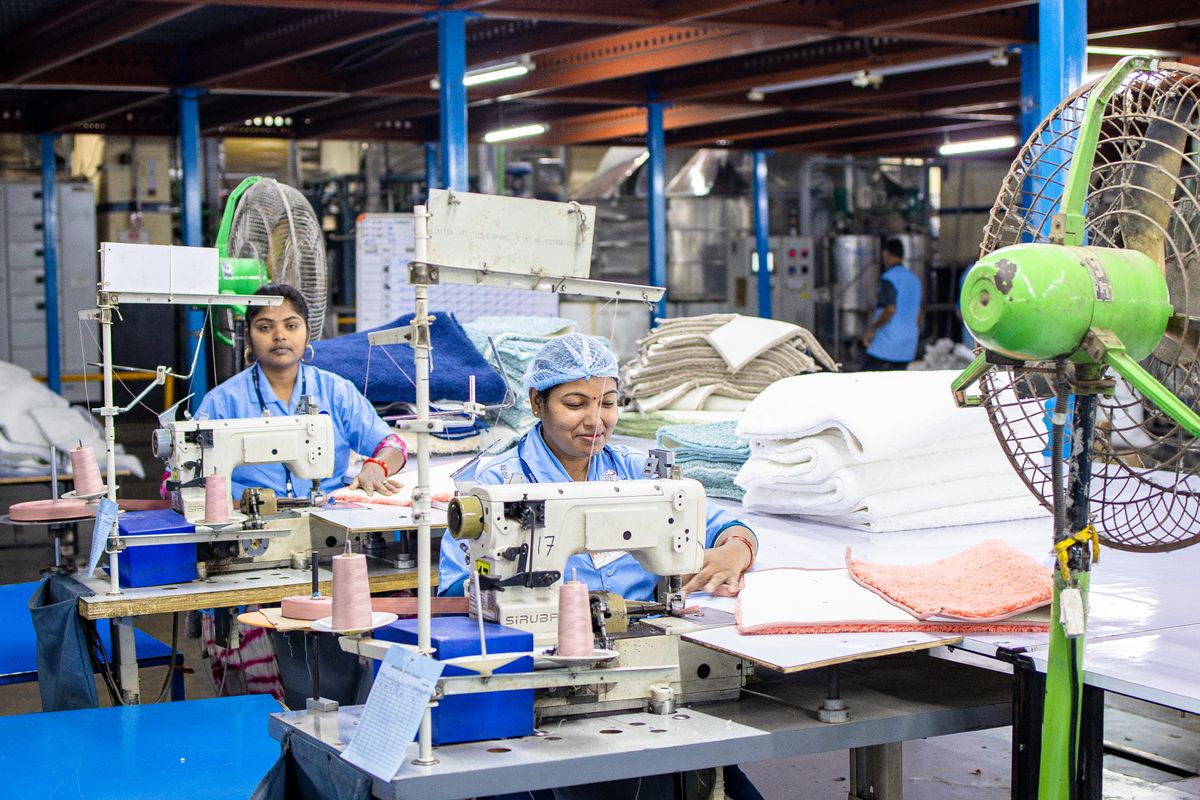
Request photos or videos of the factory floor, or better yet, arrange a virtual or in-person factory audit. A reputable supplier will be transparent about their facilities and welcome the opportunity to showcase their operation.
Assess Material Expertise
Different materials require different expertise. Jute bag production involves specialized weaving, laminating, and finishing processes that differ significantly from leather goods manufacturing or cotton tote production. Make sure your supplier has demonstrable experience with the specific material and product type you need.
- Jute bags: Look for expertise in natural fiber processing, laminating, and handle attachment methods.
- Cotton and canvas: Check for experience with different fabric weights, printing techniques, and reinforcement methods.
- Leather goods: Verify sourcing of quality leather, stitching standards, and hardware quality.
- Custom designs: Confirm they have an in-house design and sampling team capable of translating your concept into a production-ready specification.
Evaluate Quality Control Systems
A supplier's quality control process can make or break your import experience. Ask about their inspection protocols at each stage of production — from raw material intake to final packaging. Do they conduct inline inspections during sewing? Do they perform a final quality audit before shipment? What is their defect rate, and how do they handle rework?
Suppliers who follow standardized quality frameworks, such as AQL (Acceptable Quality Limit) sampling, demonstrate a professional approach to consistency. Request a sample quality inspection report from a previous order to understand their documentation standards.
"The difference between a good supplier and a great one is not in their best shipment — it is in how they handle the shipment that goes wrong." — Eco Trade Limited Production Team
Check Export Experience and Compliance
Manufacturing capability means little if your supplier cannot navigate the complexities of international export. Confirm that the supplier has experience shipping to your destination country, understands the required documentation (commercial invoices, packing lists, certificates of origin, phytosanitary certificates for jute products), and can coordinate with freight forwarders effectively.
Additionally, check for relevant certifications. Depending on your market, you may need suppliers who comply with REACH regulations (EU), FDA standards (US), or specific retailer compliance programs. Social compliance audits — such as BSCI, Sedex, or SA8000 — are increasingly required by major retailers and indicate fair labor practices.
Communication and Responsiveness
In international trade, communication gaps lead to costly mistakes. Evaluate how quickly and clearly a supplier responds to your inquiries during the initial quotation process. If emails go unanswered for days before you have placed an order, expect worse once production is underway.
Look for suppliers who assign a dedicated account manager, provide regular production updates, and are willing to share photos and videos during manufacturing. Clear, proactive communication is one of the strongest indicators of a reliable long-term partnership.
Request Samples Before Committing
Never place a bulk order without first receiving and approving a physical sample. A sample lets you evaluate material quality, stitching, hardware, printing accuracy, and overall finish. It also establishes a production standard that the supplier must meet for the full run.
Be willing to pay for sampling — it is a small investment that protects a much larger order. Discuss whether the sample cost will be credited toward your bulk order, as many suppliers offer this arrangement.
Compare Pricing Realistically
While competitive pricing is a major reason to source from Bangladesh, be cautious of quotes that seem too good to be true. Significantly lower prices often reflect compromises in material quality, worker wages, or quality control. Compare quotes from multiple suppliers, but weigh price against the full picture of capability, quality, and service.
Ask for a detailed cost breakdown — material, labor, printing, packaging, and any value-added services — so you can compare quotes on a like-for-like basis and understand where your money is going.
Start Small and Scale
Even after thorough vetting, it is wise to start with a moderate first order rather than committing your entire annual budget to a new supplier. A successful first order builds trust and gives both parties the opportunity to refine processes. As confidence grows, you can increase order volumes and explore more complex custom designs.
At Eco Trade Limited, we welcome buyer audits at every stage, provide full transparency on our manufacturing processes, and have a proven track record of exporting to buyers across Europe, North America, and Australia. We invite you to request samples and visit our facility — because the best supplier relationships are built on trust, not just transactions.